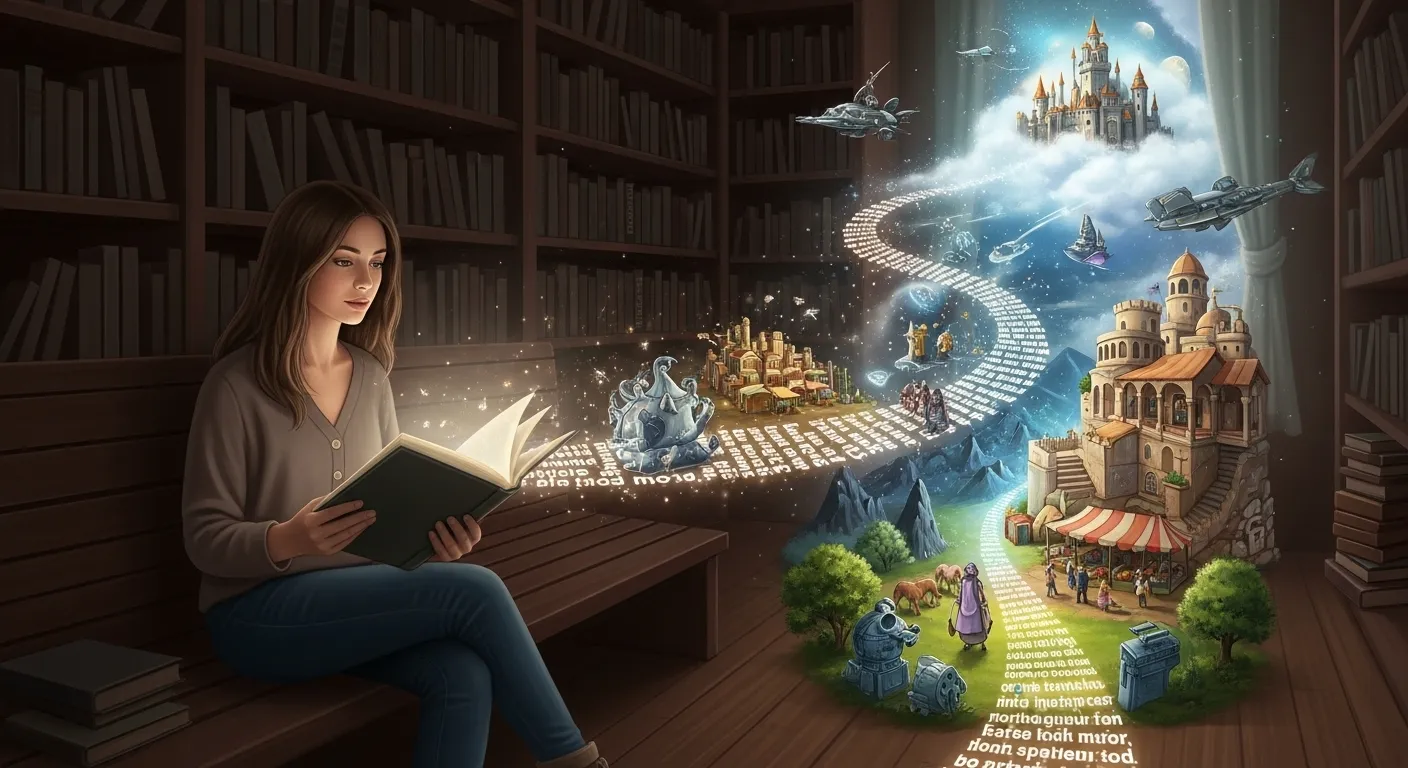
I still remember the moment I realized how powerful a simile for story can be. I was struggling to make my writing feel alive everything sounded flat, like a song without rhythm.
Then one day, I tried comparing a simple moment in my story to something vivid. I wrote, “My fear spread like shadows at sunset,” and suddenly, it felt real. It wasn’t just a sentence anymore it was an experience.
You know that feeling when words just don’t hit right? I faced that too. But I started using similes to connect emotions with images, and it changed everything.
It was like adding color to a black-and-white sketch. My stories became more engaging, more relatable, and honestly, more fun to write.
So if you’re trying to improve your writing, think of a simile for story as your secret tool. It helps your reader see, feel, and connect just like it helped me turn simple ideas into something memorable.
What Is a Simile? (Meaning of Similes)
A simile is a figure of speech that compares two different things using the words like or as.
👉 Example:
Her story flowed like a gentle river.
Here, a story is compared to a river to show smoothness and calm movement.
In Simple Terms
A simile answers this question:
What does something feel or look like?
Similes make writing:
- Easier to imagine
- More emotional
- More creative
- More engaging for readers
You might say similes are the secret ingredient that transforms plain storytelling into powerful storytelling.
15 Similes for Story (With Meaning and Examples)
Below are creative writing similes you can use when describing a story.
1. The story flowed like a river
Meaning: Smooth and natural storytelling.
Explanation: The story moves easily without confusion.
Examples:
- Her story flowed like a river, calm and steady.
- The novel flowed like a river through time.
2. The story unfolded like a blooming flower
Meaning: Events reveal slowly and beautifully.
Explanation: The plot develops step by step.
Examples:
- The mystery unfolded like a blooming flower.
- His tale opened like a flower at sunrise.
3. The story hit like thunder
Meaning: Powerful and shocking.
Explanation: The story creates strong emotional impact.
Examples:
- The ending hit like thunder.
- Her confession struck like thunder in silence.
4. The story burned like fire
Meaning: Intense and passionate storytelling.
Explanation: Strong emotions drive the narrative.
Examples:
- The revenge story burned like fire.
- His words burned like fire in her memory.
5. The story moved like a whisper in the dark
Meaning: Quiet and mysterious tone.
Explanation: Creates suspense and curiosity.
Examples:
- The horror story moved like a whisper in the dark.
- Secrets traveled like whispers through the plot.
6. The story sparkled like stars
Meaning: Magical or inspiring storytelling.
Explanation: The story feels imaginative and uplifting.
Examples:
- Her fantasy story sparkled like stars.
- The dialogue shined like stars at night.
7. The story twisted like a maze
Meaning: Complex plot with surprises.
Explanation: Many turns and unexpected moments.
Examples:
- The detective story twisted like a maze.
- Every chapter turned like a maze without escape.
8. The story raced like the wind
Meaning: Fast-paced storytelling.
Explanation: Events happen quickly.
Examples:
- The action story raced like the wind.
- Scenes changed like wind during a storm.
9. The story felt like a warm blanket
Meaning: Comforting and emotional.
Explanation: Gives readers peace and nostalgia.
Examples:
- Her childhood story felt like a warm blanket.
- The novel wrapped readers like comfort.
10. The story echoed like an old song
Meaning: Memorable and emotional.
Explanation: The story stays with readers.
Examples:
- His memories echoed like an old song.
- The ending echoed like music long after reading.
11. The story grew like a rising sun
Meaning: Builds hope and energy.
Explanation: Gradual emotional growth.
Examples:
- The hero’s journey grew like a rising sun.
- Hope rose like sunrise across the pages.
12. The story drifted like clouds
Meaning: Calm and reflective storytelling.
Explanation: Slow and thoughtful pacing.
Examples:
- The narrative drifted like clouds in summer.
- Thoughts moved like floating clouds.
13. The story struck like lightning
Meaning: Sudden and dramatic impact.
Explanation: Unexpected twists.
Examples:
- The revelation struck like lightning.
- Truth arrived like lightning across the plot.
14. The story roared like the ocean
Meaning: Powerful emotional depth.
Explanation: Strong themes and energy.
Examples:
- The war story roared like the ocean.
- Emotions crashed like waves in the story.
15. The story lingered like a dream
Meaning: Memorable and emotional ending.
Explanation: Readers keep thinking about it.
Examples:
- The ending lingered like a dream.
- Her words stayed like a dream after waking.
Practical Exercise: Learn Similes Through Practice
Let’s practice identifying and creating similes in writing.
Questions
- Complete the simile: The story moved like ______.
- Which word usually appears in a simile?
- Identify the simile: The tale was as bright as the sun.
- Is this a simile? The story was magic.
- Complete: Her story flowed as smooth as ______.
- Which sentence uses a simile correctly?
a) The story was exciting.
b) The story ran like wild horses. - Create a simile describing a sad story.
- Identify the comparison: The plot twisted like a snake.
- Complete: The ending hit like ______.
- Write one simile for a happy story.
Answers with Explanation
- Example answer: like a river — compares movement.
- Like or As — these signal a simile.
- As bright as the sun — direct comparison.
- No — it is a metaphor, not a simile.
- Glass or silk — shows smoothness.
- Option B — includes comparison using like.
- Example: The story felt like falling rain — shows sadness.
- Snake is compared to plot twists.
- Thunder or lightning — shows strong impact.
- Example: The story shined like morning sunshine — expresses happiness.
How to Use Similes in Writing (Quick Tips)
If you want to improve your storytelling, try these easy steps:
- Compare emotions with nature
- Use everyday objects readers understand
- Keep similes simple and clear
- Avoid overusing too many comparisons
- Think about feelings, movement, and atmosphere
For example, instead of writing the story was interesting, you might say:
👉 The story pulled me in like a magnet.
That single simile makes your sentence more vivid and engaging.
Conclusion
Every story leaves a lasting message, and its ending feels like a journey completed. The lesson stays in the heart like a seed growing into a strong tree.
Just as a river flows back to the sea, every tale returns to meaning, teaching us wisdom, hope, and reflection for life ahead, shaping thoughts and emotions gently yet powerfully, leaving a memorable impact on readers forever always in their minds stay.