
I still remember the day when the wind was blowing so wildly that it felt like it had a story to tell. I was walking alone, and suddenly it hit me how do we even describe something so powerful yet invisible?
That’s when I started noticing similes for wind blowing in everything around me. The breeze wasn’t just air; it moved like a whisper through secrets, and sometimes roared like a lion on the loose.
I used to struggle with writing creatively, especially when trying to describe nature. But then I realized something simple: using similes for wind blowing can turn plain sentences into something vivid and alive. So I started practicing observing how the wind danced, rushed, or even crept silently.
In this guide, I’ll share what helped me transform boring descriptions into engaging imagery. If you’ve ever felt stuck trying to describe the wind, trust me, I’ve been there and this is exactly how I handled it.
1. The Wind Howled Like a Wolf
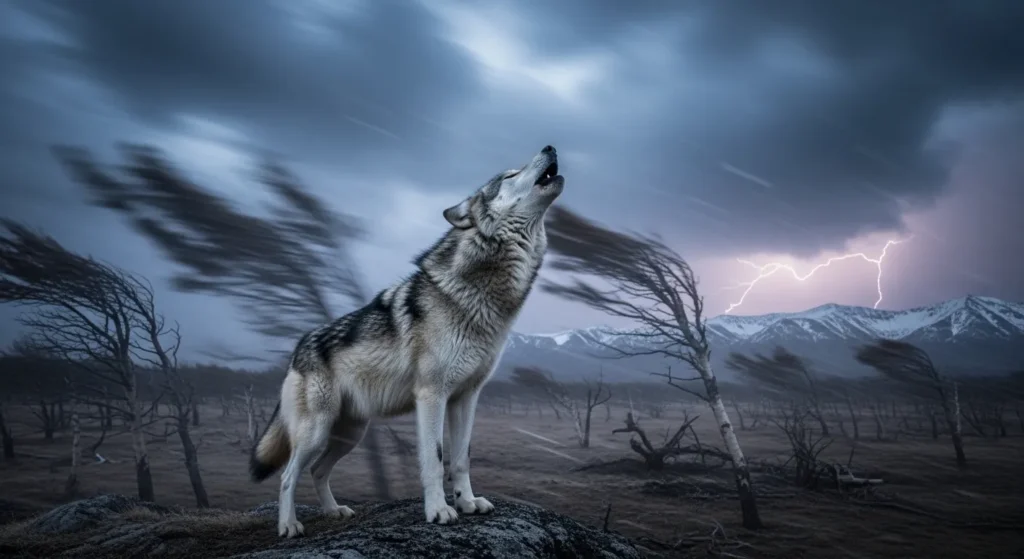
Meaning: Loud, mournful, or eerie.
Explanation: Suggests wild, intense, or chaotic energy.
Examples:
- The gusty wind howled like a wolf through the empty streets.
- During the storm, the wind howled like a lone wolf over the hills.
2. The Wind Roared Like a Lion
Meaning: Powerful and commanding.
Explanation: Emphasizes strength, turbulence, and authority.
Examples:
- The hurricane wind roared like a lion, shaking the trees.
- Waves crashed as the storm wind roared like a lion across the coastline.
3. The Wind Whistled Like a Musician’s Flute
Meaning: Rhythmic and musical.
Explanation: Conveys artistic, musical, or harmonious movement.
Examples:
- The breeze whistled like a skilled musician through the tall grass.
- Gusts whistled like flutes through the rigging of sailboats.
4. The Wind Rustled Like Leaves in a Forest
Meaning: Soft, gentle, or playful.
Explanation: Evokes natural, calm, and affectionate movement.
Examples:
- The wind rustled like autumn leaves dancing across the park.
- Curtains moved as the breeze rustled like leaves in a quiet forest.
5. The Wind Swirled Like a Whirling Dervish
Meaning: Energetic and lively.
Explanation: Shows dynamic, artistic, or chaotic motion.
Examples:
- Sand swirled like a whirling dervish across the desert dunes.
- The playful gusts swirled like a dancer spinning across the open meadow.
6. The Wind Blew Like a Racing Stallion
Meaning: Fast and powerful.
Explanation: Suggests strength, speed, and freedom.
Examples:
- Gusts blew like a racing stallion over the hilltops.
- The hurricane wind blew like a stallion, bending trees and tossing debris.
7. The Wind Tossed Like a Playful Child
Meaning: Light, playful, and unpredictable.
Explanation: Conveys whimsical or energetic movements.
Examples:
- Leaves were tossed like playful children by the gentle wind.
- Cobwebs trembled as the wind tossed like a mischievous child.
8. The Wind Whipped Like a Furious Tail
Meaning: Harsh and destructive.
Explanation: Shows destructive, chaotic, or violent energy.
Examples:
- The tornado whipped like a furious tail, scattering sand dunes.
- Gusts whipped the flags like a powerful, uncontrollable force.
9. The Wind Shook Like a Trembling Hand
Meaning: Precise or anxious movement.
Explanation: Evokes subtle, artistic, or skilled motion.
Examples:
- Hair shook as the wind passed like a trembling hand.
- Smoke twisted and shook like a trembling hand in the night.
10. The Wind Moved Like a Gentle Caress
Meaning: Soft and affectionate.
Explanation: Suggests tender, loving, or whimsical movement.
Examples:
- The breeze moved like a gentle caress across her face.
- Sailboats swayed as the wind moved like a loving caress over the water.
11. The Wind Danced Like Firelight
Meaning: Rhythmic, lively, and magical.
Explanation: Evokes whimsical, artistic, or energetic motion.
Examples:
- Leaves danced like firelight in the playful gusts of the breeze.
- Flags danced like firelight under the swirling wind.
12. The Wind Swept Like a Mighty Broom
Meaning: Powerful and clearing.
Explanation: Suggests thorough, precise, or destructive movement.
Examples:
- Sand swept like a mighty broom across the dunes.
- The wind swept the fallen branches like a broom through the forest.
13. The Wind Drifted Like Smoke
Meaning: Soft, meandering, or mysterious.
Explanation: Conveys calm, eerie, or flowing motion.
Examples:
- Mist drifted like smoke over the calm river.
- The breeze drifted like smoke through the branches of the old trees.
14. The Wind Cascaded Like Waterfall
Meaning: Continuous and flowing.
Explanation: Shows rhythmic, artistic, or gentle energy.
Examples:
- Gusts cascaded like a waterfall across the sails.
- Hair cascaded like waves as the wind swept across the cliffside.
15. The Wind Moved Like a Tornado
Meaning: Violent, destructive, and powerful.
Explanation: Suggests a chaotic whirlwind, storm, or hurricane-like force.
Examples:
- The cyclone moved like a tornado, tearing through trees and flags.
- Gusty wind moved like a tornado, shaking every branch in sight.
Practical Exercise: Identify or Complete the Similes
- The wind howled like a _______.
- Gusts roared like a _______.
- A soft breeze whistled like a _______.
- Leaves rustled like _______ in a forest.
- The sand swirled like a _______.
- Gusts blew like a _______ across the plains.
- The wind tossed like a _______ child.
- The storm whipped like a _______.
- Smoke drifted like _______.
- The breeze moved like a _______ caress.
Answers:
- Wolf
- Lion
- Musician’s flute
- Leaves
- Whirling dervish
- Racing stallion
- Playful
- Furious tail
- Smoke
- Gentle
Conclusion
Similes for wind blowing bring life and movement into writing, helping readers feel the breeze as if they’re right there. By comparing wind to familiar experiences, you make descriptions more vivid, emotional, and engaging.
If gentle like a whisper or fierce like a roaring beast, these similes add depth and creativity, making your content more memorable and powerful for readers in 2026 and beyond.