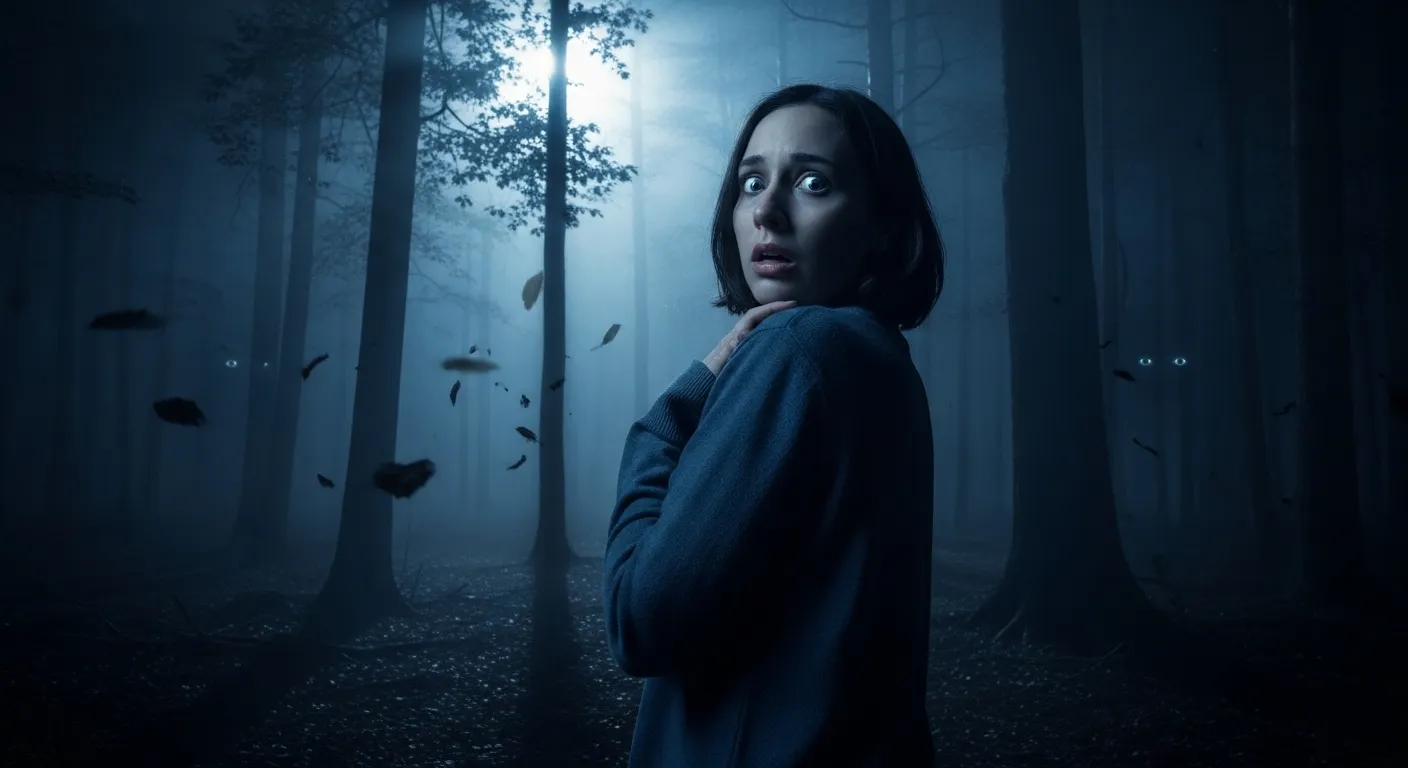
I still remember the moment when I felt scared like a deer caught in headlights. My heart was racing, my mind went blank, and for a second I didn’t know what to do.
Have you ever felt that kind of fear too? That moment when everything suddenly feels overwhelming and you just freeze?
I faced that situation once, and honestly, I didn’t handle it perfectly at first. But later I realized something interesting. Fear is something we all experience, and sometimes the best way to explain it is through a simile for scared.
A good simile helps paint the feeling clearly like saying someone is scared like a mouse hiding from a cat or scared like a leaf trembling in the wind. These comparisons make emotions easier to understand and even more relatable.
When I started learning different similes for scared, it became easier for me to describe those intense moments of fear in conversations and writing. It’s almost like turning a difficult emotion into a simple picture that anyone can imagine.
So if you’ve ever struggled to describe fear in the right words, don’t worry—you’re not alone. Let’s explore some creative and powerful similes for scared that can help you express that feeling perfectly. 😄
1. Expressing Fear
When writing fear, focus on showing the emotion rather than just telling. Using descriptive phrases like “scared heart”, “trembling hands”, or “racing pulse” makes your scene immersive. You can even use fear intensity keywords such as terrified, frightened, or panicked to match the situation.
2. Powerful Comparisons
Similes are your secret weapon for powerful comparisons. Saying “He was like a deer caught in headlights” communicates both shock and fear in one line. Other options include “as helpless as a moth” or “like a candle flickering in the wind”.
3. Feeling Afraid
Fear manifests in many ways: a scared face, scared movements, or a fluttering heart. By connecting these physical reactions to similes, you can make readers feel the intensity. For instance:
- “Her heart raced like a rabbit on the run.”
- “He froze, as pale as snow, at the sight.”
4. Describing Fear
Descriptive fear uses imagery, comparisons, and intensity. Phrases like “frozen in fear”, “shaky body”, or “quivering lips” bring a scene to life. Pair them with similes for maximum impact.
5. Fear Vocabulary
Expand your fear vocabulary. Some essential words include:
- Fear Intensity Keywords: terrified, frightened, nervous, jumpy, panicked, helpless, anxious, scared stiff.
- Body/Action Keywords: scared heart, trembling hands, stiff movements, racing pulse, frozen in fear.
- Scenario Keywords: sudden fear, fear of the unknown, nighttime fear, lingering fear.
6. Fear in Writing
In stories, fear drives tension. You can show fear through:
- Similes like “as jumpy as popcorn” or “like a leaf in the wind.”
- Physical reactions: pounding heart, quivering lips, stiff movements.
- Mental reactions: panic, hesitation, fear of danger.
7. Scared Expressions
Characters show fear in different ways. Use expressions such as:
- Eyes wide, darting around
- Mouth slightly open, trembling
- Shoulders tense, movements cautious
Pair these with similes for more vivid storytelling.
8. Scared Emotions
Fear isn’t just physical—it’s emotional. Use words like:
- Nervous, uneasy, desperate, haunted
- Pair with phrases: “as pale as snow” or “like a puppet on strings”
9. Fear Similes
Here’s a quick list of similes for scared:
- As scared as a mouse – small, vulnerable, afraid.
- Like a leaf in the wind – fragile, at the mercy of circumstances.
- Like a rabbit in headlights – paralyzed with shock.
- As pale as snow – showing visible fear.
- Like a candle flickering – fragile, uncertain.
- As jumpy as popcorn – easily startled.
- Like a deer caught in headlights – frozen in fear.
- As frozen as ice – unable to move.
- Like a puppet on strings – helpless, controlled by fear.
- As shaky as a leaf – trembling from anxiety.
10. Fear Imagery
Imagery helps readers see fear. Examples:
- “His hands shook like leaves in a storm.”
- “Her heart fluttered like a trapped bird.”
- “The room felt as silent as a graveyard, intensifying the fear.”
Use sensory details to strengthen these images.
11. Fear Metaphors
Metaphors go beyond similes. For example:
- “Fear is a shadow that follows him everywhere.”
- “Her anxiety was a storm inside her chest.”
Metaphors create deep, lasting impressions.
12. Scared Storytelling
In stories, fear drives plots and characters. Tips for scared storytelling:
- Match emotion with intensity – small fear for minor events, big fear for life-threatening situations.
- Show fear in body, mind, and environment.
- Use original creative writing similes and metaphors.
13. Writing About Fear
Practical tips to master writing about fear:
- Add sensory details – sight, sound, touch, smell
- Use descriptive language – don’t just say “he was scared”
- Include vivid imagery – make readers feel the tension
- Practice exercises: complete similes, write short fear scenes using similes.
Example Exercise:
Complete the simile:
- “Her hands shook like _______.” (Answer: leaves in a storm)
- “He froze, as pale as _______.” (Answer: snow)
Conclusion
Fear is a rich emotion to explore in writing. Using similes, metaphors, and vivid imagery, you can convey intensity, emotion, and suspense.
By practicing with the examples above and using your imagination, your writing can make readers truly feel what your characters experience.
Start noticing fear around you, pick the right words, and create similes that make your storytelling unforgettable.