I still remember the day I stood quietly, staring at the hills, trying to find the right words to describe their beauty. It wasn’t easy because hills aren’t just “beautiful.” They feel calm, strong, and endless all at once.
That’s when I realized something: simple descriptions don’t work here… you need similes for hills to truly capture their magic.
I used to struggle with this a lot, especially when writing or trying to impress someone with my words. My sentences felt flat.
But then I started comparing hills to things I already understood like waves, giants, or soft blankets and suddenly everything changed. My writing became more alive, more relatable.
If you’ve ever felt stuck trying to describe nature in a creative way, trust me, I’ve been there too. The good news? It’s actually easier than you think once you know how to use the right comparisons.
In this guide, I’m going to share exactly how I turned boring descriptions into powerful ones using simple, creative similes.
1. Towering and Majestic Mountains
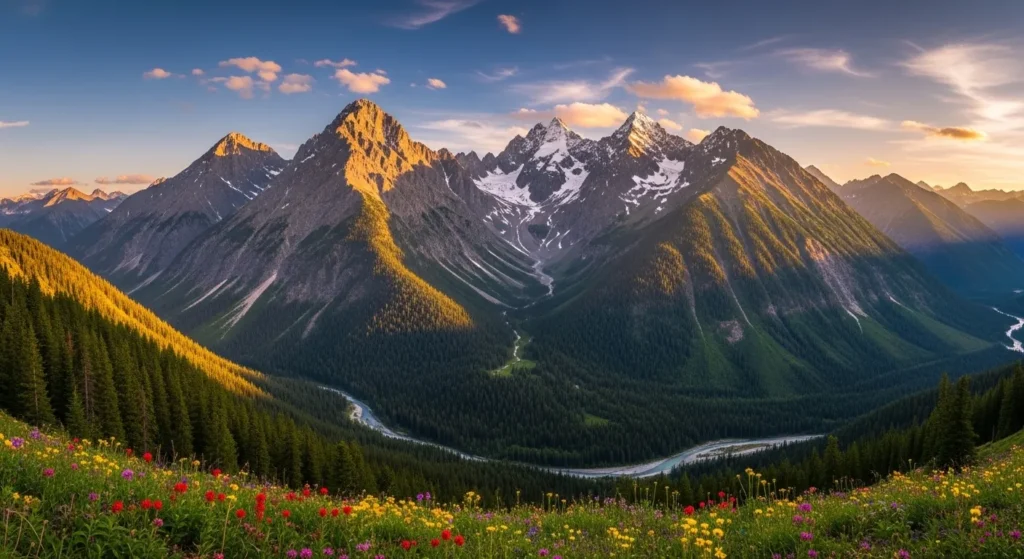
- Simile: The mountain towered like a king on his throne.
- Meaning: Grand, impressive, commanding.
- Explanation: Highlights height and magnificence.
- Examples:
- The peak rose like a king’s throne above the valley.
- Towering mountains loomed like regal sentinels guarding the land.
- The peak rose like a king’s throne above the valley.
2. Colossal and Massive Mountains
- Simile: The mountain was as colossal as a battleship on land.
- Meaning: Enormous, imposing size.
- Explanation: Suggests scale and immensity.
- Examples:
- The massif stretched across the horizon like an enormous wall of stone.
- Peaks rose like colossal sculptures etched by nature’s artistry.
- The massif stretched across the horizon like an enormous wall of stone.
3. Rugged and Craggy Terrain
- Simile: The cliffs were like crumpled paper pressed against the sky.
- Meaning: Rough, uneven, jagged.
- Explanation: Conveys texture and harshness of the slopes.
- Examples:
- Jagged teeth of rock jutted from the ridge like rows of sharp guardians.
- The rugged terrain looked like wrinkles on an ancient tome.
- Jagged teeth of rock jutted from the ridge like rows of sharp guardians.
4. Fortress-Like Mountains
- Simile: The mountain stood like an unyielding fortress.
- Meaning: Solid, protective, imposing.
- Explanation: Suggests strength and resilience.
- Examples:
- The cliff was like a stone castle, impervious to time and weather.
- Peaks rose like rock-solid guardians watching over the valley.
- The cliff was like a stone castle, impervious to time and weather.
5. Frozen and Icy Mountains
- Simile: The summit glistened like frozen waves in a tsunami.
- Meaning: Cold, icy, formidable.
- Explanation: Evokes danger and awe.
- Examples:
- Frost-covered ridges looked like frozen sculptures of giants.
- Ice-capped peaks rose like a frozen battalion against the sky.
- Frost-covered ridges looked like frozen sculptures of giants.
6. Peaks as Giants
- Simile: Mountains towered like sleeping giants.
- Meaning: Massive and powerful.
- Explanation: Suggests strength, permanence, and mystery.
- Examples:
- The peaks rose like sleeping giants sculpted by wind and rain.
- The ridge stretched like a row of colossal warriors lying in slumber.
- The peaks rose like sleeping giants sculpted by wind and rain.
7. Lion’s Mane and Warrior Imagery
- Simile: The cliffs jutted like a lion’s mane in the sunlight.
- Meaning: Wild, untamed, and striking.
- Explanation: Suggests natural majesty and fierce beauty.
- Examples:
- The rugged slopes were like the armor of a warrior carved by nature.
- Peaks looked like a lion’s mane, wild and commanding.
- The rugged slopes were like the armor of a warrior carved by nature.
8. Sentinels and Guardians
- Simile: The mountains rose like ancient sentinels guarding the land.
- Meaning: Protective, imposing.
- Explanation: Suggests vigilance and watchfulness.
- Examples:
- The massif stood like guardians watching over the valley.
- Each peak was like a sentinel, unmoved and unyielding.
- The massif stood like guardians watching over the valley.
9. Labyrinth and Intricate Mountains
- Simile: The ridges twisted like a labyrinth.
- Meaning: Complex, maze-like.
- Explanation: Conveys intricate slopes, paths, and valleys.
- Examples:
- The mountain range sprawled like an intricate maze of stone.
- Peaks and valleys twisted like a labyrinth carved by time.
- The mountain range sprawled like an intricate maze of stone.
10. Undulating and Rolling Mountains
- Simile: Hills rolled like gentle waves in the ocean.
- Meaning: Smooth, flowing movement.
- Explanation: Suggests rhythm and continuity in terrain.
- Examples:
- The slopes undulated like waves frozen in time.
- Rolling ridges looked like gentle, undulating hills stretching far.
- The slopes undulated like waves frozen in time.
11. Nature’s Artistry
- Simile: The mountain was like a sculpture of giants.
- Meaning: Beautiful, awe-inspiring craftsmanship.
- Explanation: Suggests natural artistry and elegance.
- Examples:
- Peaks glimmered like masterpieces carved by wind and rain.
- The ridge looked like a king’s throne sculpted by nature’s hands.
- Peaks glimmered like masterpieces carved by wind and rain.
12. Untamed and Wild Mountains
- Simile: The mountain rose like a wild, untamed warrior.
- Meaning: Resilient, formidable, daunting.
- Explanation: Evokes raw power and challenge.
- Examples:
- The cliffs stood like wild, untamed guardians.
- Peaks challenged climbers like towering, formidable giants.
- The cliffs stood like wild, untamed guardians.
13. Emotional and Awe-Inspiring Mountains
- Simile: The mountains inspired awe like a king’s throne in the clouds.
- Meaning: Majestic, inspiring, emotional.
- Explanation: Conveys grandeur and human admiration.
- Examples:
- The colossal peaks were awe-inspiring like a throne carved from stone.
- Mountains loomed like regal rulers over the valleys below.
- The colossal peaks were awe-inspiring like a throne carved from stone.
Practical Exercise: Test Your Mountain Simile Skills
Complete or identify the similes below:
- The peak rose like a _______ against the sky.
- Mountains stretched like _______ of giants.
- The cliff was like an unyielding _______.
- Slopes twisted like a _______ carved by time.
- Frozen ridges looked like _______ waves.
- Peaks jutted like a lion’s _______.
- The massif stood like ancient _______ guarding the land.
- Hills rolled like _______ frozen in motion.
- The mountain was a sculpture of _______.
- The colossal peak inspired awe like a _______ in the clouds.
Answers:
- Sleeping giant – massive and powerful.
- Sculpture – awe-inspiring natural artistry.
- Fortress – imposing, solid, protective.
- Labyrinth – intricate and maze-like.
- Frozen tsunami – icy, formidable.
- Mane – wild, untamed imagery.
- Sentinels – imposing guardians.
- Waves – undulating, rolling terrain.
- Giants – natural artistry and scale.
- King’s throne – majestic and regal.
Conclusion
Similes for hills bring nature to life by comparing their beauty, strength, and calmness to familiar things. They help readers easily imagine rolling landscapes, towering peaks, or gentle slopes.
If used in poetry or everyday writing, these comparisons make descriptions more vivid and meaningful. By using similes, hills are no longer just landforms they become emotional, visual experiences that connect deeply with the reader’s imagination.